Neverness to Everness open world guide: explore Hethereau’s city, vehicles, and anomalies
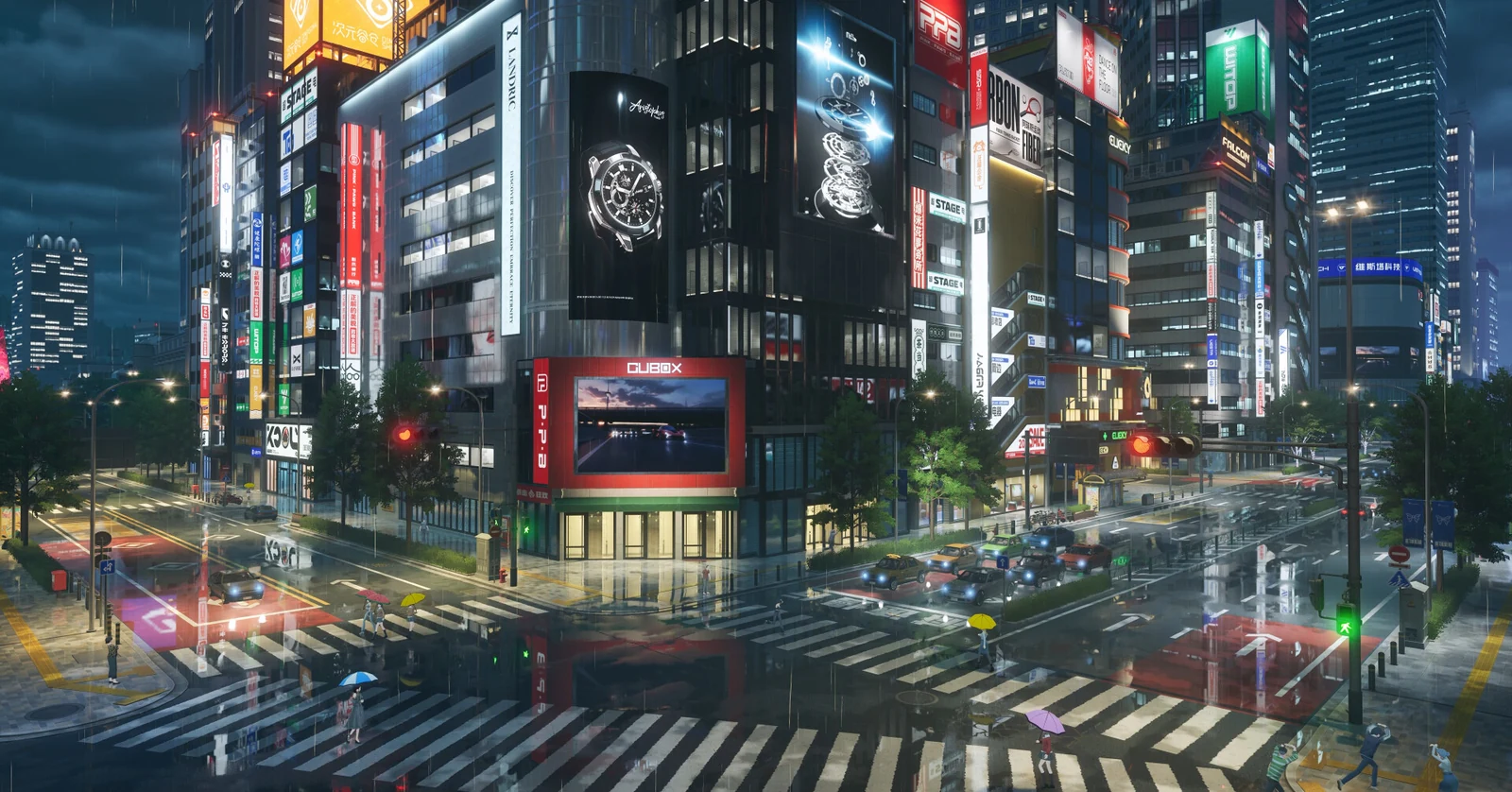
Neverness to Everness open world exploration begins in Hethereau, the supernatural city that sets the game apart from many anime-style open-world RPGs. Instead of starting in a fantasy kingdom, the game drops players into a supernatural city where shops, streets, apartments, vehicles, and anomaly cases all matter.
For the full PC setup path, the central hub remains Neverness to Everness PC Guide. This page focuses only on the open world, how Hethereau is presented, and what PC players should expect before spending hours inside the city.
If you are preparing to explore Hethereau from a desktop setup, the official PC version of Neverness to Everness is a useful reference point before focusing on city systems.
1. What makes Hethereau different
Neverness to Everness is officially described as a supernatural open-world RPG developed by Hotta Studio. The story begins in Hethereau, where the player becomes the city’s first “unlicensed” Anomaly Hunter and joins Eibon, an antique shop connected to anomaly commissions.
That detail gives the open world a practical identity. Hethereau is not just a big map with combat zones. It is built around urban mysteries, strange commissions, side stories, city life, and the feeling that normal streets can become abnormal at any moment.
| Open-world element | Confirmed role in Hethereau |
|---|---|
| City setting | Main world hub and story environment |
| Eibon | Antique shop and anomaly-related base |
| Anomaly hunter role | Player identity in the story |
| Hidden shops | Part of street exploration |
| Hankaku Street | Social and faction-related area |
| Vehicles | City traversal and customization |
| Apartments | Player lifestyle and customization |
| Ghost Train | Fast movement through anomaly space |
The strongest hook is the contrast. You are not only walking through forests and ruins. You are moving through a city with back alleys, shops, roads, apartments, and supernatural cases layered over daily life.
2. Exploration is more urban than traditional fantasy
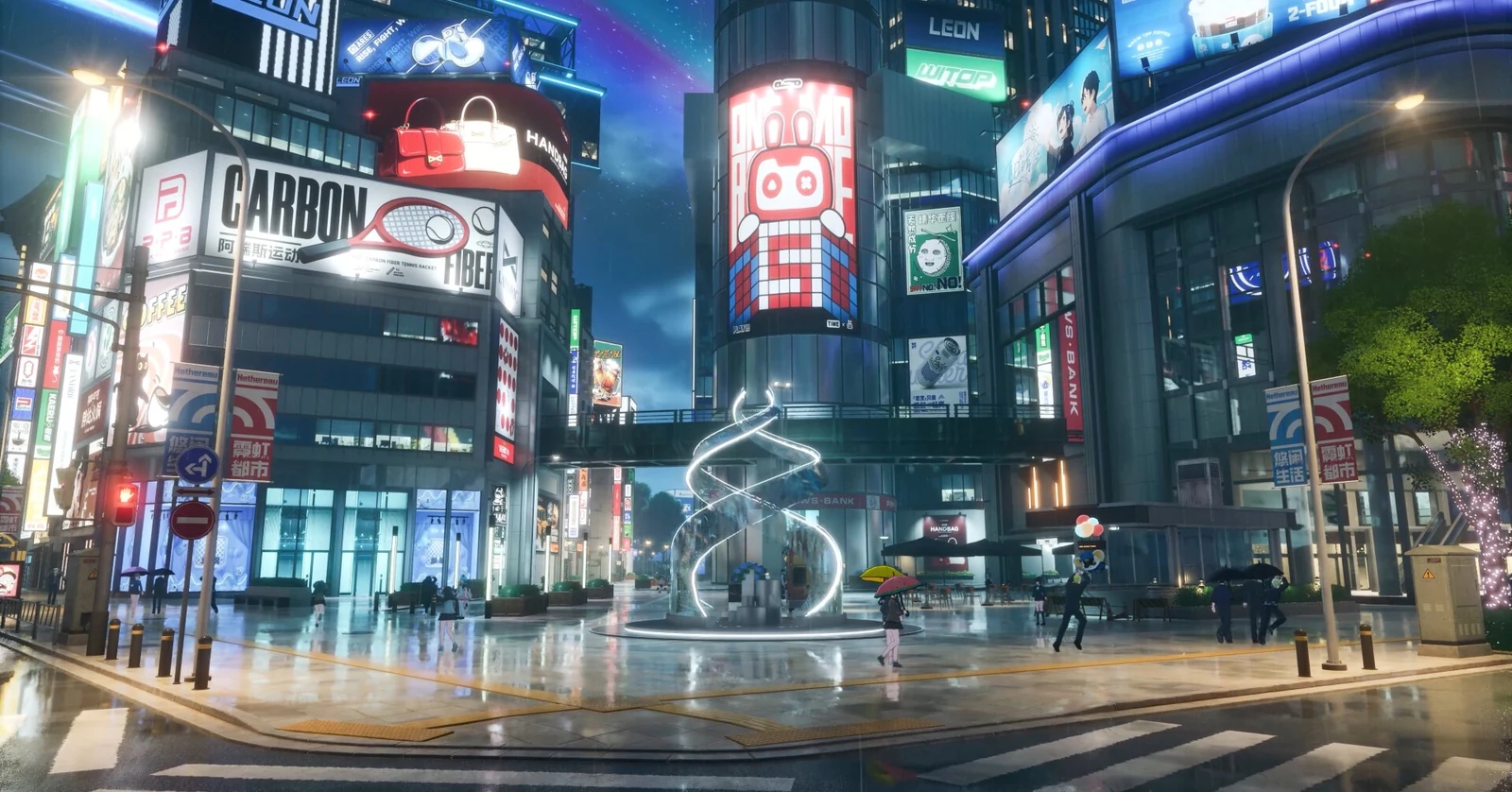
Many open-world RPGs push players toward mountains, ruins, camps, and wilderness. Hethereau works from a different base. Its streets, shops, factions, and districts create a more urban rhythm.
That changes the kind of attention players need. Instead of only scanning cliffs and treasure routes, the player watches alleys, storefronts, city corners, and unusual activity. The official material repeatedly frames the game around urban mysteries and anomalies, so exploration should feel closer to investigating a living city than clearing a classic fantasy zone.
| Traditional fantasy map | Hethereau-style urban map |
|---|---|
| Wilderness paths | Streets and alleys |
| Camps and villages | Shops and city districts |
| Mounts or gliding | Vehicles and city movement |
| Ruins and temples | Anomaly cases and urban mysteries |
| Fantasy towns | Apartments and social hubs |
This does not mean Hethereau has no action. It means the world design starts from a city-life fantasy. The player is encouraged to move through familiar urban spaces while expecting something strange underneath them.
3. Vehicles change the pace
One confirmed feature that separates Neverness to Everness from many nearby competitors is vehicle use. The Steam page mentions customizing your ride and moving through city streets. It also mentions the Ghost Train as a way to cut through anomaly space.
That matters because vehicles change open-world pacing. A city with cars asks different things from the player than a map built only around climbing or walking. Streets, highways, turns, traffic flow, and parking-like spaces can all shape how exploration feels.
| Movement type | What it adds |
|---|---|
| Walking | Close inspection of shops, characters, and hidden corners |
| Driving | Faster movement through large city routes |
| Ghost Train | Faster travel through anomaly space |
| Social hubs | Slower exploration and story discovery |
Driving also makes PC performance more important. A fast-moving vehicle can expose stutter, asset streaming issues, and slow storage more clearly than slow walking. That is one reason the official FAQ recommends using an SSD for the best experience.
Simple pacing chart:
Walking       | slow detail and local discovery
Driving       | fast city travel and route control
Ghost Train   | long-distance movement through anomaly space
The open world works best when players treat each mode differently. Driving is for distance. Walking is for detail. Fast travel is for saving time when repeating routes.
Players comparing city systems, travel speed, and PC comfort can keep Neverness to Everness on PC open as a practical reference while planning their first route through Hethereau.
4. City life is part of the loop
The Steam page highlights urban lifestyle systems, including buying a home, decorating it, browsing shop stock, and customizing a ride. That gives Hethereau a life-sim edge without turning the game into a pure simulation title.
This matters for SEO and for players because it answers a common question: is Neverness to Everness only about combat. Based on official descriptions, no. Combat and anomaly cases are central, but the world also includes lifestyle elements that help the city feel more personal.
| Lifestyle feature | Player value |
|---|---|
| Home ownership | Personal space and customization |
| Apartment decoration | Long-term identity and collection |
| Shop browsing | City flavor and routine |
| Ride customization | Traversal style and visual identity |
| Social connections | Character and faction discovery |
These features can improve retention if they are meaningful in the live game. A player may log in for combat, then stay longer to check shops, adjust a room, drive around, or follow a side story.
5. Social spaces and factions
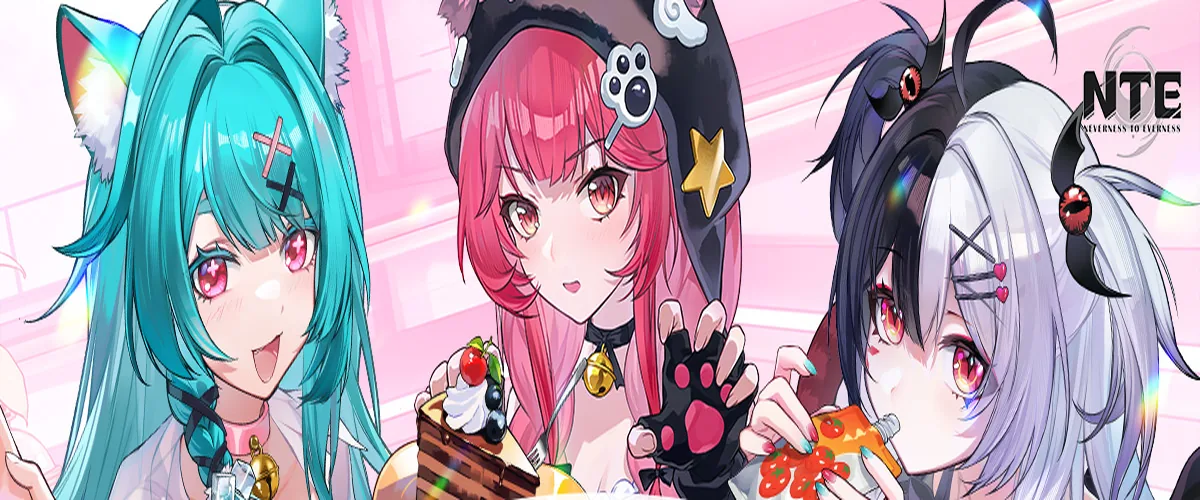
Hethereau is also presented as a social city. Steam references Hankaku Street, hidden shops, different factions, side stories, and “Bagel” friends. The wording suggests that the open world is meant to include character discovery, not only collectible hunting.
For players, this creates a softer layer around the action. The city is not empty scenery. It is supposed to contain people, odd shop owners, faction contacts, and companions tied to different parts of the city.
| Social element | Why it matters |
|---|---|
| Hankaku Street | Starting point for social exploration |
| Hidden shops | Reason to check small spaces |
| Factions | More structure behind side stories |
| Bagel friends | Social collection or relationship layer |
| Eibon crew | Core identity around anomaly work |
The best way to cover this in future updates is to separate confirmed systems from player-discovered details. That keeps the guide accurate and avoids fake depth.
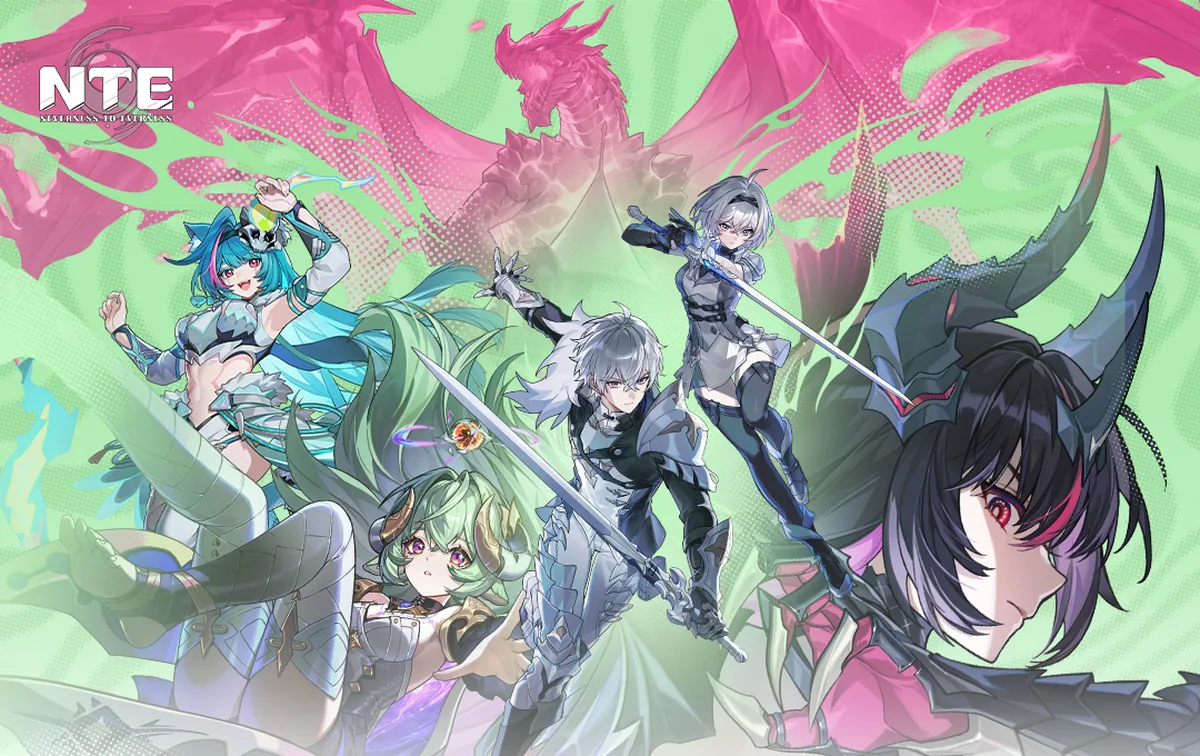
6. PC players should watch performance during city travel
A dense open-world city can stress a PC in a specific way. Roads, buildings, characters, effects, lighting, and fast traversal all appear close together. Even if a PC meets the minimum requirements, city driving can feel different from standing still in a menu or walking inside a quiet area.
The official PC requirements list an i7-10700, GTX 1660 or RX 5600, and 16 GB RAM as the minimum. Recommended specs move to an i7-12700, RTX 3060 or RX 6700, and 32 GB RAM.
| PC area | Why Hethereau stresses it |
|---|---|
| CPU | City logic, characters, traffic-like movement, background systems |
| GPU | Lighting, effects, buildings, combat visuals |
| RAM | Open-world assets and background tasks |
| Storage | Streaming city data while moving |
| Network | Online account and live-service systems |
The safest first test is not the prettiest screenshot. It is driving through a busy city route, then walking through a detailed street, then entering combat. If frame pacing stays stable across those moments, the PC is in good shape.
7. Open world facts at a glance
| Fact | Current verified detail |
|---|---|
| Game type | Supernatural open-world RPG |
| Developer | Hotta Studio |
| Main city | Hethereau |
| Player role | First “unlicensed” Anomaly Hunter |
| Core group | Eibon antique shop |
| Platforms listed officially | Windows PC, iOS, Android, Apple Mac, Google Play PC, PlayStation 5, PlayStation 5 Pro |
| Servers listed officially | Asia, America, Europe, SEA |
| PC storage official baseline | 60 GB free plus 60 GB temporary extraction space |
| SSD advice | Strongly recommended officially |
These numbers are useful because they keep the article grounded. The game is broad, but verified facts should lead the structure.
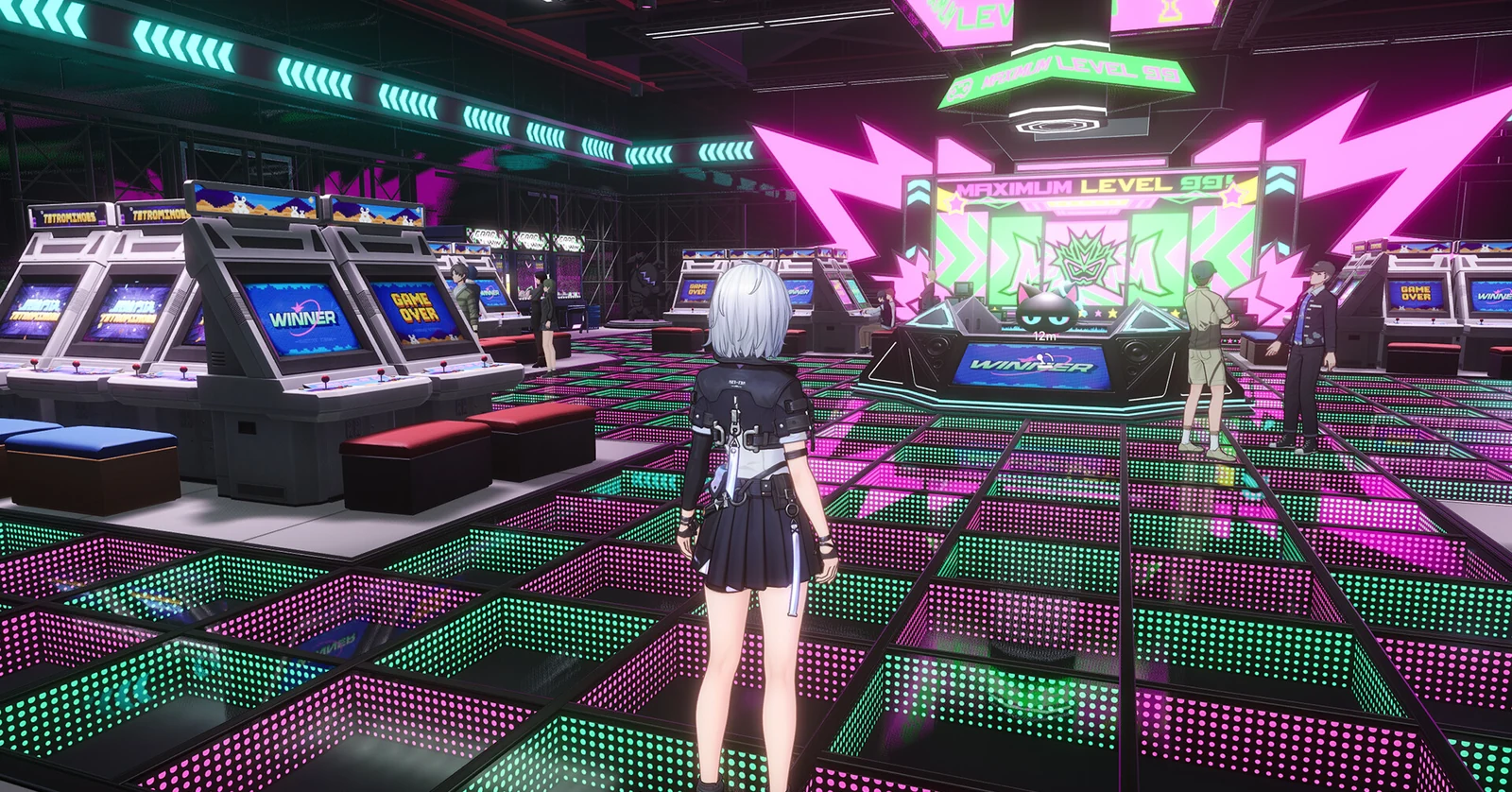
8. How to approach Hethereau as a new player
A good first route through Hethereau should stay simple. Do not rush every system at once. Start with the main story and unlock the basic city functions. Learn movement before trying to optimize everything.
A practical first-session plan:
| Step | Focus |
|---|---|
| 1 | Confirm server and account setup |
| 2 | Complete early story until core menus open |
| 3 | Test graphics settings in a city area |
| 4 | Learn walking and driving controls |
| 5 | Visit key hubs without rushing |
| 6 | Track which systems are permanent and which are event-based |
This keeps the open world enjoyable instead of overwhelming. The city is easier to understand when players treat it as a place first and a checklist second.
The Neverness to Everness open world stands out because Hethereau is built around city life, supernatural anomalies, vehicles, shops, apartments, social spaces, and the Eibon crew. It is not just another fantasy field with different colors. Its identity comes from urban mystery.
For PC players, that city focus also changes preparation. Fast travel, driving, storage speed, RAM, and frame pacing all matter because Hethereau is dense and movement can be quick. A stable setup will make the open world feel smoother from the first serious session.
The next natural step is Neverness to Everness Beginner Guide, because understanding the city is only half the job. The other half is knowing what to do first without wasting time, server progress, or early resources.
After checking how vehicles and districts fit your playstyle, getting started with Neverness to Everness on PC makes more sense than jumping in without a route.
9. Frequently asked questions
9.1. What is Hethereau in Neverness to Everness?
Hethereau is the main supernatural city setting. Official material frames the player as an Anomaly Hunter connected to Eibon, an antique shop tied to anomaly cases.
9.2. Does Neverness to Everness have vehicles?
Yes. Official store material mentions customizing your ride and moving through city streets, while the Ghost Train is presented as movement through anomaly space.
9.3. Is the open world more urban than fantasy?
Yes. NTE’s identity starts from streets, shops, apartments, city districts, vehicles, and anomaly cases rather than only mountains, ruins, and fantasy wilderness.
9.4. Why does PC performance matter so much in Hethereau?
A dense city can stress CPU, GPU, RAM, and storage at the same time. Driving is a useful test because it exposes streaming and frame pacing issues quickly.
Sources used for fact checking: official NTE launch FAQ, official NTE launch/news pages, and the NTE Steam page.