Neverness to Everness PC guide: requirements, first steps, characters, and open world tips
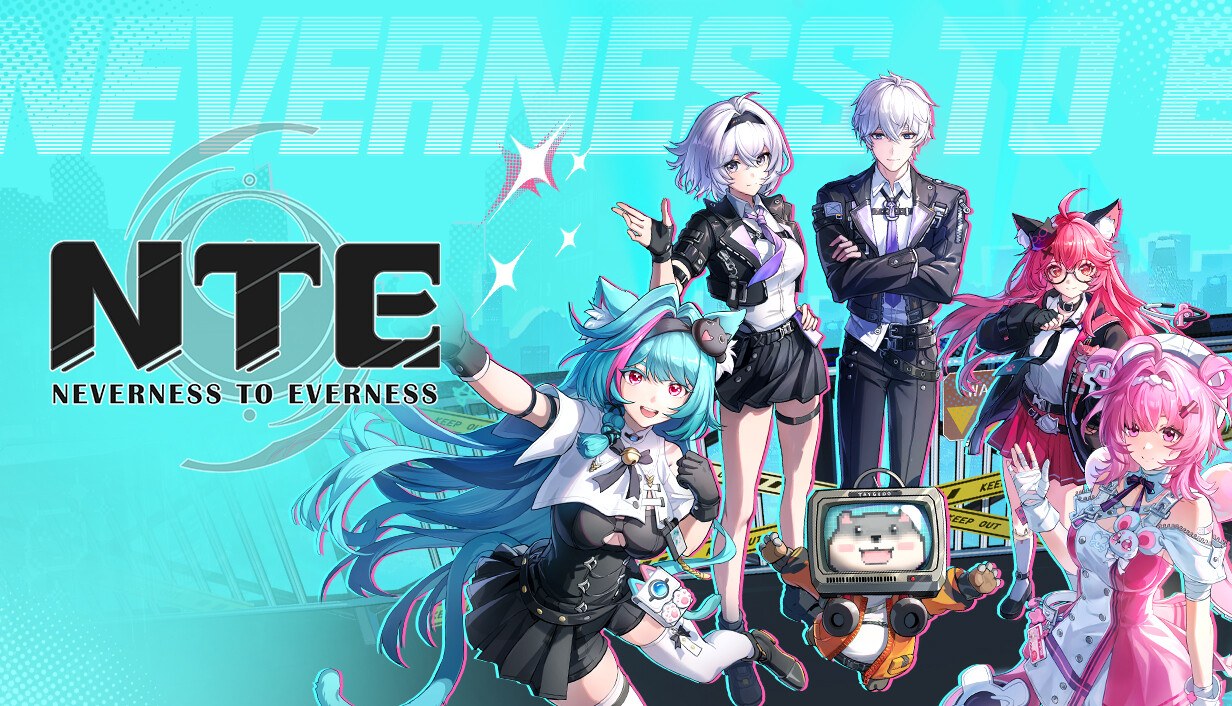
This Neverness to Everness PC guide starts with the basics because the game has the kind of pitch that gets PC players curious fast. A supernatural city, anomaly cases, vehicles, apartments, character teams, live events, and a modern open-world structure all sit inside one game. It is close enough to the anime RPG space to feel familiar, but Hethereau gives it a different shape from the usual fantasy map.
The important part is preparation. NTE is not a light PC install, and the first few choices matter more than they seem. Server selection, account linking, storage space, graphics settings, character planning, and reward timing can all affect the first week. A player in the United States, Canada, or Europe should also think carefully about server location because progress is not shared between servers.
This guide brings the core PC route together in one place. It uses verified official information where possible and avoids unconfirmed claims about rewards, pulls, or permanent character rankings. The goal is simple: help players understand what they need before starting, what to check first, and which parts of Neverness to Everness deserve attention on PC.
When the hardware and server choices are clear, Neverness to Everness on PC becomes the natural next step for players ready to begin carefully.
For a deeper hardware breakdown, the natural companion page is Neverness to Everness PC requirements.
1. Neverness to Everness PC requirements: can your computer run Hethereau smoothly?
The first serious question is not whether Neverness to Everness looks interesting. The first question is whether your PC can handle it properly. The official launch FAQ lists Windows 10 64-bit or later, at least 60 GB of free storage, and another 60 GB temporarily required during file extraction. That temporary space matters. A drive with only 60 GB free can still run into installation problems.
The minimum PC target is also higher than many older anime RPGs. Official information lists an Intel Core i7-10700, NVIDIA GTX 1660 or AMD RX 5600, and 16 GB RAM as the minimum. The recommended level moves to an Intel Core i7-12700, RTX 3060 or RX 6700, and 32 GB RAM.
| Component | Minimum official target | Recommended official target |
|---|---|---|
| Operating system | Windows 10 64-bit or later | Windows 10 64-bit or later |
| CPU | Intel Core i7-10700 | Intel Core i7-12700 or better |
| GPU | GTX 1660 or RX 5600 | RTX 3060 or RX 6700 or better |
| RAM | 16 GB | 32 GB or more |
| Storage | 60 GB free | 60 GB free |
| Temporary extraction space | Additional 60 GB | Additional 60 GB |
| Drive advice | SSD strongly recommended | SSD strongly recommended |
The safest practical setup is more comfortable than the minimum. A PC with 130-150 GB free on an SSD gives the launcher space to install, extract, patch, and update without constantly fighting the drive. This is especially useful for a dense city game where fast traversal can expose stutter and asset streaming issues.
Storage planning is one of the easiest places to prevent frustration.
60 GB   | base official storage requirement
120 GB  | base requirement plus temporary extraction space
150 GB  | safer comfort zone for patches and breathing room
An SSD is strongly recommended by the official FAQ, and that advice makes sense for Hethereau. A city-based open world has buildings, streets, effects, characters, and movement systems packed close together. Driving through a busy route can stress storage and frame pacing more clearly than standing still in a quiet menu.
Players close to the minimum should start with balanced settings. Medium shadows, lower reflections, motion blur off, and a 60 FPS cap are better first choices than maxing everything and blaming the game when performance swings. A stable 60 FPS often feels better than an unstable higher number.
The best first test is simple: walk through a detailed street, drive through a wider city route, then enter combat. If all three feel stable, your PC settings are probably close. If walking is smooth but driving stutters, storage speed or asset streaming may be part of the issue. If combat drops frames, effects and GPU settings should be adjusted first.
Neverness to Everness can be a strong PC experience, but only if the setup is treated seriously. Check the hardware, clear enough storage, use a simple install path, and avoid running heavy background apps during the first launch.
Once the storage and graphics checks are settled, Neverness to Everness for Windows PC is the version to keep in mind while following the setup advice below.
2. Neverness to Everness open world: what makes Hethereau different
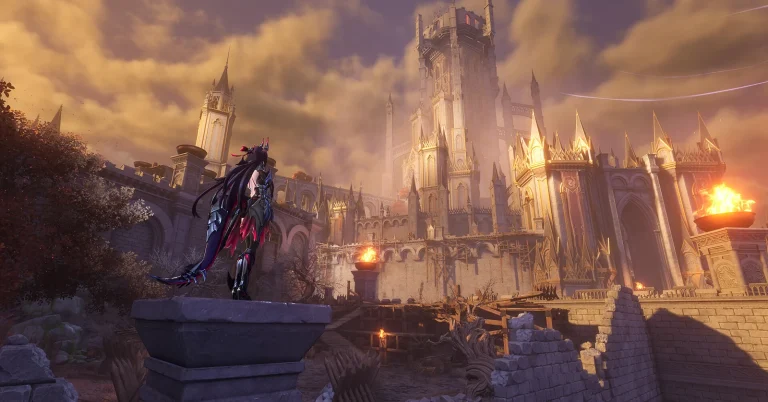
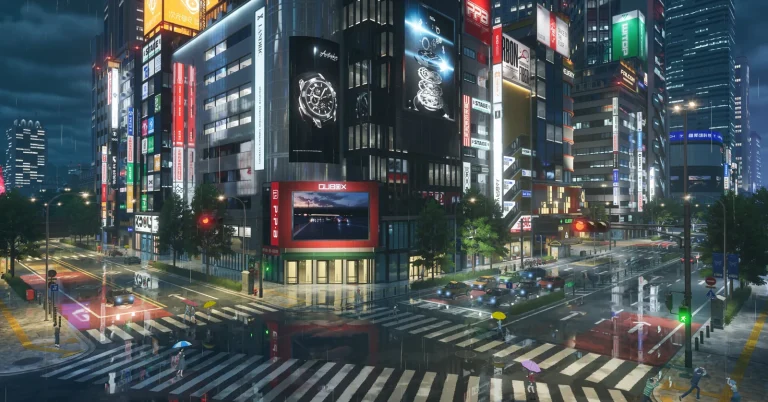
Hethereau is the reason Neverness to Everness does not feel like a simple copy of another open-world RPG. The game’s official material presents it as a supernatural city where the player works as an Anomaly Hunter connected to Eibon, an antique shop that takes on strange commissions. That gives the world a clear identity from the start.
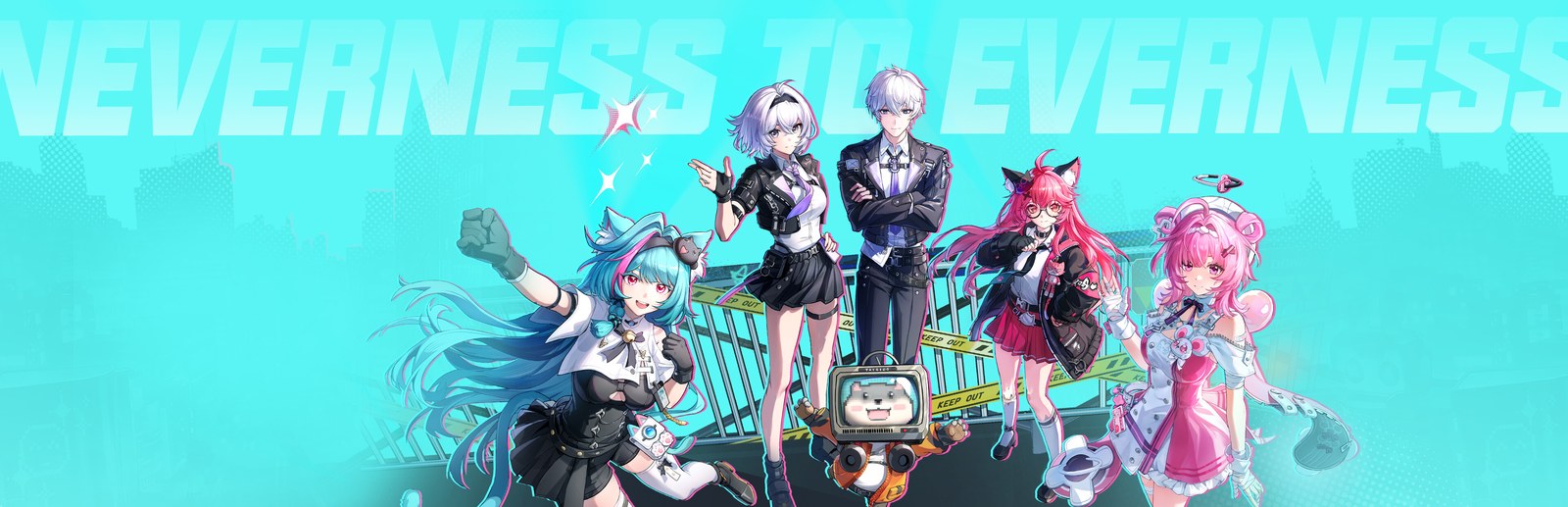
Instead of leaning only on forests, ruins, and fantasy kingdoms, NTE builds its first impression around streets, shops, apartments, vehicles, and urban mysteries. That difference matters. A city asks the player to explore differently. You watch alleys, storefronts, districts, and small social spaces instead of only chasing mountain paths or hidden caves.
| Open-world feature | Why it matters |
|---|---|
| Hethereau | Main supernatural city setting |
| Eibon | Story and anomaly commission hub |
| Vehicles | Faster city movement and personal style |
| Hidden shops | Reason to explore smaller streets |
| Apartments | Lifestyle and customization layer |
| Ghost Train | Movement through anomaly space |
| Social areas | Character stories and faction flavor |
The open-world loop seems built around contrast. One moment, Hethereau can look like a modern city with shops and daily routines. The next, an anomaly case can pull the player toward something stranger. That mix gives NTE a useful editorial angle: urban life first, supernatural pressure underneath.
The Steam page also highlights vehicle customization and city freedom. That is important for PC players because driving changes how performance feels. Walking through a district checks detail density. Driving through the city checks asset streaming, storage speed, and frame pacing. This is one reason an SSD is more than a comfort upgrade.
Walking      | detail, shops, characters, small discoveries
Driving      | speed, city routes, performance stress
Ghost Train  | faster movement through anomaly space
Apartments   | personalization and long-term identity
The lifestyle systems are also worth watching. Buying a home, decorating it, browsing shop stock, and customizing a ride give Hethereau a slower side. That can help the world feel less like a combat checklist and more like a place players return to between missions.
The satellite guide Neverness to Everness open world guide should handle the deeper breakdown of Hethereau, city activities, traversal, and exploration rhythm. In the pillar, the key point is simpler: NTE's open world is strongest when viewed as an urban RPG space, not just another fantasy map with new names.
For new players, the best approach is to move slowly during the first hours. Learn the city routes. Test driving. Visit social hubs. Notice which systems are permanent and which ones belong to current events. Hethereau will make more sense if players treat it as a living city before treating it as a checklist.
3. Neverness to Everness beginner guide: start strong on PC without wasting resources
A clean start in Neverness to Everness is mostly about avoiding early mistakes. The game has server choice, account linking, live events, character resources, PC settings, and storage requirements. None of those sound exciting, but each one can save trouble later.
The first decision is the server. Official information lists Asia, America, Europe, and SEA. Progress is not shared between servers. A player on the America server has separate progress from the Europe server, even if the same account is used. For players in the United States and Canada, America is usually the safest first choice. For European players, Europe is usually the cleaner route.
| Player location | Practical server choice |
|---|---|
| United States | America |
| Canada | America |
| Western Europe | Europe |
| Eastern Europe | Europe |
| Southeast Asia | SEA |
| East Asia | Asia |
Account linking should come next. NTE supports progress across listed platforms when the account and server match, but the player has to treat login seriously from the beginning. It is better to secure the account before spending hours on story, rewards, and team investment.
The early route should stay calm:
Confirm server
Link account
Check PC settings
Learn basic movement
Claim current rewards carefully
Build one core team
Rewards deserve special care. Official launch and pre-registration materials confirmed rewards such as Haniel, Fabricated Dice, Beetle Coins, and Elite Hunter Guides, while Version 1.2 includes events with rewards like Annulith, Solid Dice, Fabricated Dice, Fons, and upgrade materials. The exact availability depends on event dates and account eligibility. That is why the safest advice is to check the in-game mail and event page before making spending decisions.
New players should not rush premium currency. A glowing banner is not a reason by itself. Read the board details, check the dates, and make sure the character or reward fits the account. If a claim sounds too generous and is not visible in official news or the current game menu, treat it as unconfirmed.
The satellite page Neverness to Everness beginner guide should cover the full first-week route. In the pillar, the key beginner advice is this: protect the account, choose the right server, stabilize the PC, and spend slowly.
| Beginner mistake | Better choice |
|---|---|
| Starting on the wrong server | Choose based on region and friends |
| Ignoring account linking | Secure the account early |
| Spending rewards instantly | Read board and event details first |
| Maxing graphics immediately | Start balanced and test performance |
| Leveling everyone | Focus one core team |
| Trusting old guides blindly | Check patch dates |
The first week is not about doing everything. It is about building a clean foundation. Once the server, account, and settings are stable, Hethereau becomes much easier to enjoy.
After the server, account, and settings are stable, getting started with Neverness to Everness on PC becomes easier because the early choices are already planned.
4. Neverness to Everness characters
Character planning in Neverness to Everness should start with roles, not hype. The game has S-Class and A-Class characters, limited boards, standard selection options, and patch-based updates. That makes it tempting to chase every new name, but a beginner account usually needs balance more than novelty.
Official Version 1.2 notes confirm Shinku as an exclusive S-Class character available from July 8 after update until July 29, 05:59 UTC+8. The same update also includes an S-Class Standard Character Selection Box for eligible players who create a character before Version 1.2 ends. The listed choices are Sakiri, Baicang, Hathor, Fadia, Daffodill, and Jiuyuan.
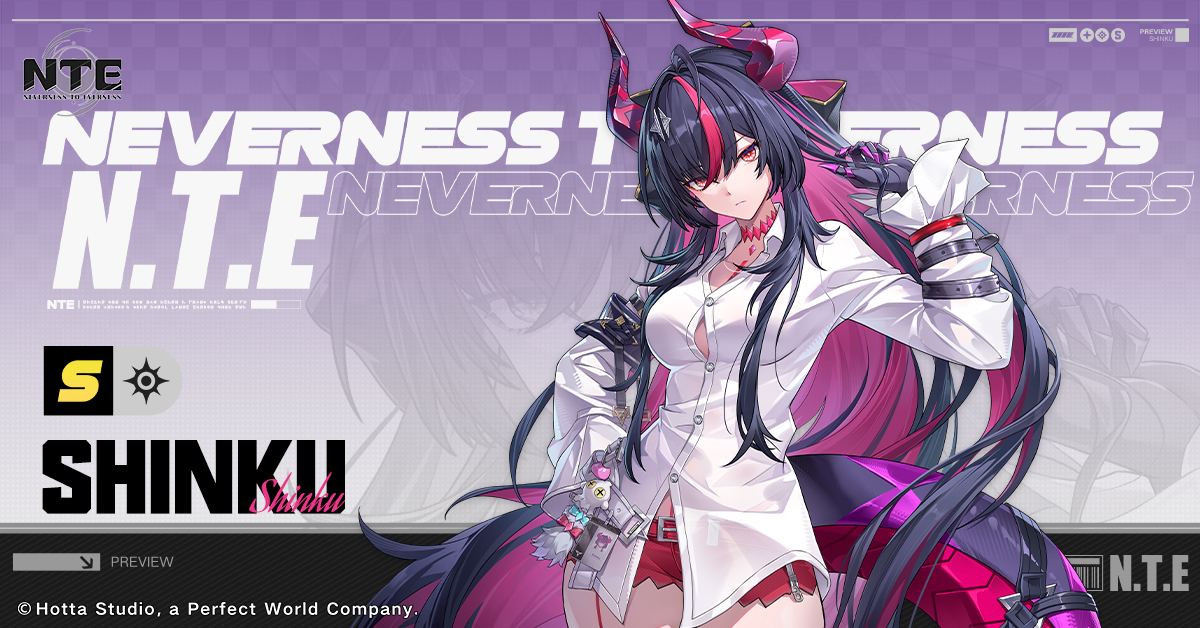
That selection box is a useful example of how players should think. The right choice is not always the most popular name online. The right choice is the character that fills the account's weakest role.
| Account need | Better character logic |
|---|---|
| Weak damage | Prioritize a stronger main damage option |
| Low survival | Look for support, sustain, or defensive value |
| Poor team coverage | Add a role or type your team lacks |
| Favorite playstyle | Choose someone you will actually use |
| Unsure meta | Wait if the item expiry allows it |
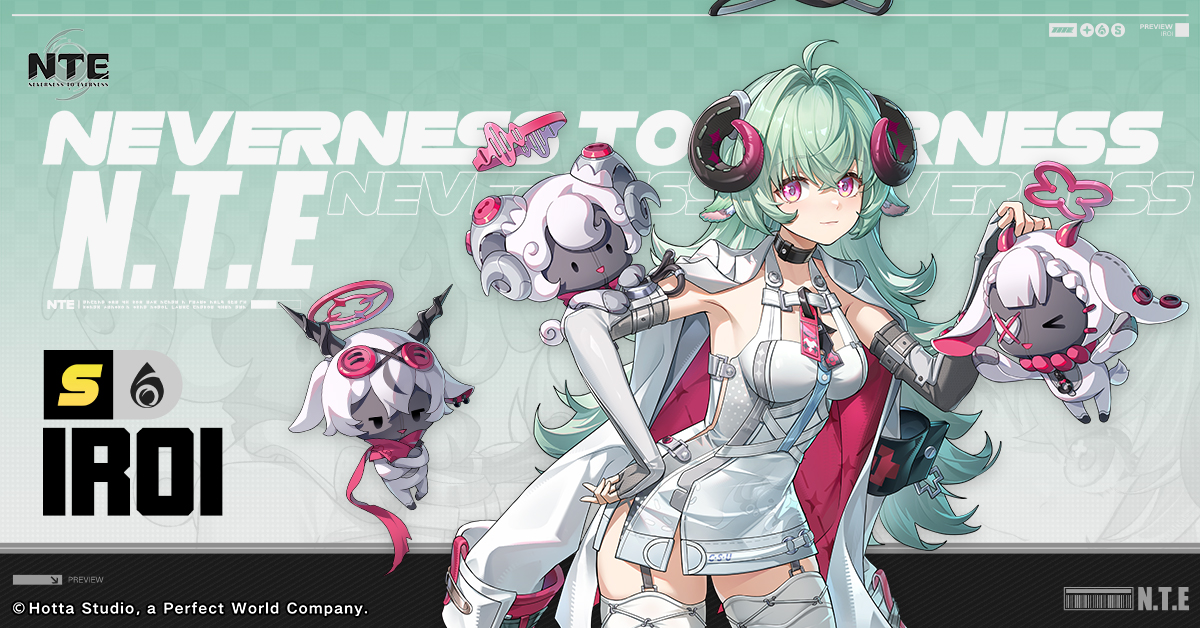
The current character ecosystem is still young compared to older RPGs. Tier lists can help, but they should never replace patch context. A ranking from launch week may not reflect Version 1.2. A guide written before a new board may miss new synergies. Players should always check dates.
A safer team structure looks like this:
Main damage dealer
+ Support or sustain
+ Utility or burst role
+ Flexible slot
This is simple, but it works. It keeps the team functional while players learn combat, events, bosses, and resource costs. It also prevents the classic mistake of leveling too many characters at once.
| Investment area | Early priority |
|---|---|
| Main damage character | Very high |
| Main weapon or equivalent upgrade | Very high |
| Support survival | High |
| Core team skills | High |
| Extra characters | Low |
| Experimental builds | Later |
PC players also have a small comfort advantage. Keyboard, mouse, and controller options can make switching, movement, and combat timing feel better when the frame rate is stable. Before judging a character, players should test how that character feels with their preferred controls.
A dedicated characters guide can handle roles, selectors, limited boards, and investment planning in more detail later. For now, the main takeaway is clear: build one reliable team first, then experiment.
New players should avoid spending resources just because a character is new. They should ask whether the character fits their account, whether the board is still active, whether enough resources are available, and whether current testing supports the choice. A calm roster plan will usually beat a rushed one.
5. Neverness to Everness vs Genshin Impact: which open world fits you best?
Neverness to Everness will naturally be compared with Genshin Impact because both sit near the open-world RPG audience. The comparison is useful, but only if it stays fair. NTE is not simply "Genshin with cars," and Genshin is not outdated just because NTE is newer.
The core difference is the fantasy. Genshin Impact is built around Teyvat, a broad fantasy world with mountains, rivers, gliding, regions, elemental gods, and reaction-based combat. Neverness to Everness begins in Hethereau, a supernatural urban city where anomaly cases, vehicles, shops, apartments, and social spaces shape the experience.
| Category | Neverness to Everness | Genshin Impact |
|---|---|---|
| Main identity | Supernatural urban RPG | Fantasy open-world RPG |
| Main world | Hethereau | Teyvat |
| Exploration feel | Streets, vehicles, shops, anomaly spaces | Climbing, gliding, regions, ruins |
| Player role | Anomaly Hunter tied to Eibon | Traveler searching across nations |
| Hardware baseline | Higher minimum CPU, GPU, and RAM | Lower minimum hardware, larger storage |
| Guide ecosystem | Newer and changing quickly | Mature and heavily tested |
The PC requirements show one of the clearest practical differences. NTE officially lists an i7-10700, GTX 1660 or RX 5600, and 16 GB RAM as minimum. Genshin's current official support page lists a lower minimum: 6th generation Intel Core i5 or AMD Ryzen equivalent, GTX 1050 or equivalent, and 8 GB RAM. Storage is different, though. Genshin currently asks for 110 GB or more on PC, while NTE asks for 60 GB plus another 60 GB temporarily during extraction.
| Requirement area | NTE | Genshin Impact |
|---|---|---|
| Minimum CPU | Intel Core i7-10700 | 6th gen Intel Core i5 or AMD Ryzen equivalent |
| Minimum GPU | GTX 1660 or RX 5600 | GTX 1050 or equivalent |
| Minimum RAM | 16 GB | 8 GB |
| Storage | 60 GB plus 60 GB temporary | 110 GB or more |
| SSD advice | Strongly recommended | Recommended |
That makes the choice practical. A modern gaming PC can handle either game. An older desktop or laptop may have an easier time starting Genshin. A player with limited drive space needs to plan carefully for both.
The exploration comparison is more about taste. Genshin is stronger for players who love climbing, gliding, fantasy landscapes, and years of established content. NTE is more interesting for players who want a city-first RPG with vehicles, urban mysteries, and a newer live-service cycle.
A deeper comparison can explore this matchup in more detail later. For now, the best summary is this: Genshin is the safer established fantasy RPG, while NTE is the newer urban alternative with a stronger modern PC baseline and a city identity that feels distinct.
Players do not need to choose one forever. They need to know what kind of open world they want right now.
Neverness to Everness is worth watching on PC because it brings a different kind of open-world RPG fantasy. Hethereau is not just another fantasy landscape. It is a supernatural city built around anomaly work, vehicles, shops, apartments, companions, and a live-service structure that is still young enough to change quickly.
The main thing is to start clean. Check the official PC requirements before installing. Keep enough storage free. Use an SSD if possible. Choose the right server for your region. Link the account early. Treat current rewards and banners with patience. Build one reliable team before spreading resources across every character that looks interesting.
NTE is strongest for players who want an urban RPG with a modern PC feel and a city-first identity. It is not the easiest game for older hardware, and it should not be approached with outdated or unverified guide claims. But with the right setup and a calm first-week plan, it can offer a fresh route for players who want something different from the usual fantasy open-world loop.
For the most practical next step, the Neverness to Everness beginner guide focuses on the early decisions that usually cost players the most time: wrong server, weak setup, rushed spending, and scattered character investment.
6. Frequently asked questions
6.1. What should I check first before playing Neverness to Everness on PC?
Check the official PC requirements, prepare enough storage, use an SSD if possible, choose the right server, and link your account before investing serious time.
6.2. How much free space is safest for NTE on PC?
The official requirement is 60 GB plus 60 GB temporary extraction space. A practical comfort zone is 130-150 GB free, especially before major patches.
6.3. Is Neverness to Everness good for Genshin Impact players?
It can be, especially for players who want a newer urban open-world RPG. The appeal is different: Hethereau, vehicles, anomaly work, and city life are the main hooks.
6.4. What server should US and European players choose?
Players in the United States and Canada should usually start on America. European players should usually start on Europe. Progress is separate between servers.
6.5. Should beginners follow character tier lists immediately?
Use them only with current patch context. A safer first step is to build one reliable team and spend rare resources slowly until the account plan is clear.
Sources used for fact checking: official NTE launch FAQ, official NTE PlayStation 5 FAQ, official NTE Version 1.2 patch notes, Steam NTE page, HoYoverse Genshin Impact system requirements, Epic Games Store Genshin Impact page, and PlayStation Genshin Impact page.