EA Sports FC 25 Ultimate Team and Career Mode examined

Every year, a small group of my friends and I gather to play FIFA, now rebranded as EA Sports FC. This FC 25 Ultimate Team and Career Mode review reflects a shared ritual that has lasted for years. Even though we don’t play together as often as we used to, the first few weeks of each new release are usually the most exciting, filled with anticipation, discovery, and the collective joy of exploring what’s new. This time, however, the atmosphere feels noticeably different. The excitement is tempered by a growing sense of familiarity, and the innovations that once defined annual releases seem increasingly incremental rather than transformative.
1. FC 25 Ultimate Team: a love-hate relationship
FC 25 Ultimate Team remains one of the game’s most prominent modes, combining card-collecting mechanics with competitive gameplay. However, it also brings its share of frustrations that have become increasingly difficult to ignore. My friends perfectly summarized the experience: “FIFA isn’t fun. It’s a noble pursuit.” As a longtime player who has invested countless hours into the mode over multiple years, I deeply recognize how much time and emotional energy Ultimate Team demands from its players.
FC 25 Ultimate Team can make even experienced, skilled players feel anxious or annoyed, generating stress levels that seem disproportionate to what should be an entertainment experience. The constant pressure to keep up with the meta, the frustration of losing to seemingly inferior opponents due to gameplay inconsistencies, and the grinding nature of progression all contribute to this tension. Yet despite these negative aspects, the initial thrill of opening packs—that lottery-like rush of possibly getting a top-tier player—or winning a difficult match keeps us coming back season after season.
This release introduces several noteworthy FC 25 Ultimate Team features:
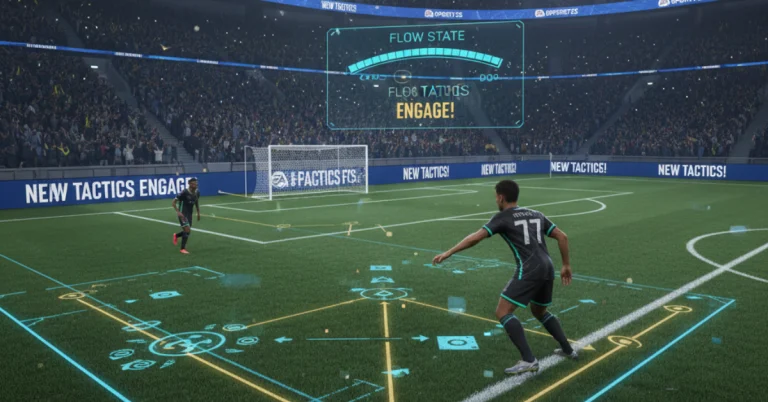
Player Roles, which add genuine depth to tactical deployment and squad building. This system allows managers to customize how individual players behave on the pitch, creating more nuanced tactical setups than were previously possible. A central midfielder can be assigned as a Deep-Lying Playmaker, a Box-to-Box midfielder, or a Half-Winger who drifts wide, with each role changing how the team functions. This adds strategic complexity that rewards thoughtful squad construction beyond simply collecting the highest-rated cards, reflecting the broader tactical innovation in EA Sports FC 25’s gameplay experience. Untradeable duplicate Player Items can now be placed in SBC Storage, providing a useful quality-of-life improvement for Squad Building Challenges.
Previously, untradeable duplicates had to be quick sold or used immediately in an SBC. SBC Storage can hold up to 100 untradeable Player Items, giving players more flexibility when managing valuable duplicates.
While these FC 25 Ultimate Team features genuinely improve strategy and user experience, they don’t fundamentally redefine the game or address its deeper structural issues. EA’s annual cycle increasingly feels like a reskin operation, with menus and graphics almost identical to FC 24. In the version tested for this review, some teams still appeared in previous-season kits in certain modes, reinforcing the impression that parts of the presentation had changed very little. The database updates and minor feature additions don’t justify the full-price release, yet the lack of competition in the football gaming market allows EA to maintain this approach without significant consequences.
The FC 25 Ultimate Team gameplay loop—opening packs, building squads, and competing in Division Rivals and Champions—remains fundamentally unchanged. The rewards structure can still favor players willing to spend money on FC Points, reinforcing pay-to-win concerns among those attempting to compete without significant financial investment. The FC 25 Ultimate Team matchmaking system continues to produce frustrating experiences, with connection quality varying wildly and input delay plaguing competitive matches.
2. Rush mode: a breath of fresh air
One genuinely bright spot in this release is Rush mode, a fast-paced 5v5 format that’s perfect for casual sessions with friends. This mode represents the most significant gameplay innovation in EA Sports FC 25, offering something truly different from the standard 11v11 experience that has defined the franchise for decades.
The unique rules make Rush stand out: Blue cards instead of red cards keep matches competitive by removing players for only one minute rather than permanently, ensuring that one early foul doesn’t ruin the entire game. Offside only in the final third encourages aggressive attacking play and reduces the frustration of tight offside calls in midfield. Race to Ball kick-offs, where players sprint to control the ball first, add an unpredictable element to the beginning of each match.
These modifications make matches genuinely chaotic and fun, prioritizing entertainment over strict simulation authenticity. The smaller pitch size and reduced player count mean every touch matters significantly more, and individual skill moments can decide games in seconds. The pace is relentless, with little opportunity for the defensive, possession-based gameplay that can sometimes make 11v11 matches feel slow and methodical.
Playing with friends is strongly recommended, as random teammates can significantly disrupt the experience through poor cooperation or ball-hogging behavior. However, when playing with a coordinated group, Rush becomes one of the most enjoyable modes in the entire game, delivering quick bursts of excitement without the time commitment of full matches.
Rush is available across Kick-Off, Career, Ultimate Team, and Clubs, providing flexibility in how players engage with the format. In Manager Career, Rush youth tournaments allow managers to work directly with academy prospects in competitive 5v5 matches, adding variety to the season structure and providing additional engagement beyond league and cup competitions. This integration gives FC 25 Ultimate Team players a more relaxed and enjoyable alternative to the traditional 11v11 grind that dominates the mode’s competitive structure.
3. EA Sports FC 25 Career Mode: modest improvements
Career Mode benefits from several minor but welcome updates that enhance the overall experience without fundamentally transforming the mode’s structure:
Customizable board expectations and player development speeds provide greater control over the career experience. Managers can now tailor the challenge level to their preferences, choosing between high-pressure environments where immediate results are demanded or more relaxed scenarios that allow long-term project building. The adjustable development speeds let players decide whether they want young prospects to improve quickly or develop more realistically over multiple seasons.
Weather effects are part of the gameplay simulation settings in Career Mode. These options can be adjusted alongside the available gameplay presets, allowing players to create a more realistic or customized match experience.
Inclusion of major women’s leagues expands Career Mode possibilities, with five licensed women’s leagues and the UEFA Women’s Champions League available in Manager Career. The addition of ICONs like Thierry Henry for Player Career mode provides alternatives to starting as an unknown youngster, letting players experience football from the perspective of established legends.
These improvements strengthen immersion and provide additional customization options, though they don’t revolutionize the mode in any dramatic way. Career Mode still follows the familiar structure of seasons, transfers, and matches that has defined the experience for years. Even with revised press conferences, morale management, Development Plans 2.0, and improved youth scouting, the overall Career Mode structure remains familiar once the initial novelty fades.
4. Drawbacks: minimal innovation and monetization issues
Despite these positive additions, fundamental problems with the game persist and continue to frustrate players:
Menus are slow and glitchy, particularly on consoles where navigation feels sluggish and unresponsive. Loading times between screens can be frustratingly long, and crashes occasionally occur when accessing certain features or completing matches. These technical issues are especially disappointing given that similar problems have existed in previous versions, suggesting insufficient attention to optimization and quality assurance.
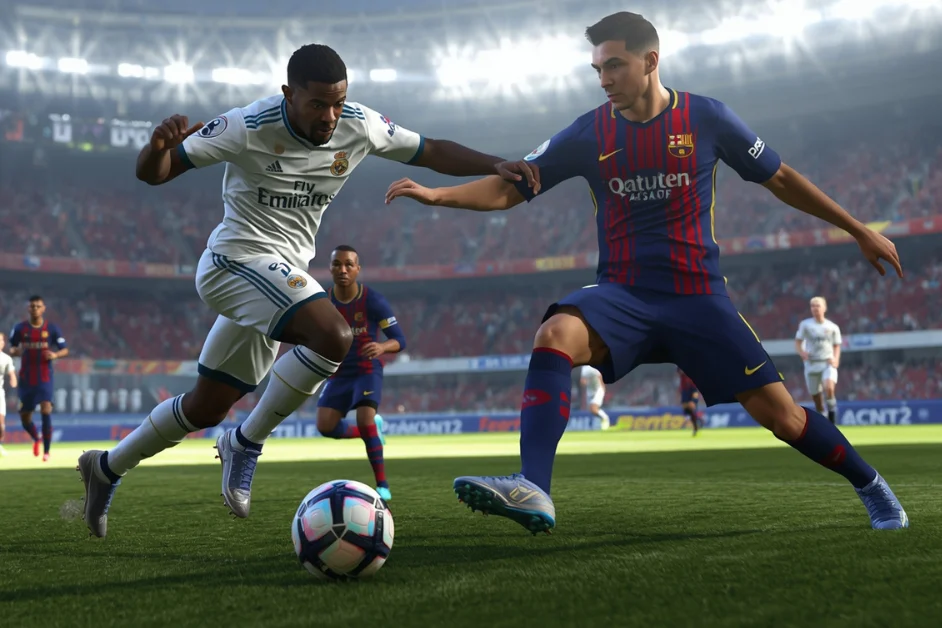
Gameplay feels remarkably similar to FC 24, with many of the same strengths and weaknesses carrying over. The shooting mechanics, defensive AI, and player movement all feel familiar to anyone who played last year’s version. While this consistency isn’t necessarily negative for players who enjoyed FC 24, it reinforces the sense that EA Sports FC 25 is more of an update than a genuine new entry in the series.
FC 25 Ultimate Team rewards are more demanding, with Division Rivals raising the standard weekly target from three to five wins and the upgraded target from seven to 15 wins, while EA stated that reward value also increased. Champions qualification became stricter, with Play-Offs shortened from ten matches to five and qualification requiring three wins instead of four, raising the required win rate from 40% to 60%. FC Points continue to fuel pay-to-win concerns among players who avoid significant spending.
EA Sports FC faces alternatives such as eFootball and UFL, but its annual releases still succeed commercially despite growing player frustration. This review still finds the latest changes more incremental than transformative.
EA Sports FC 25 offers some compelling new features, such as Player Roles and Rush mode, alongside modest Career Mode updates that enhance specific aspects of the experience. However, the game suffers from minimal visual improvements, slow and buggy menus, and FC 25 Ultimate Team changes that feel punitive rather than player-friendly. The lack of significant innovation in core gameplay and the aggressive monetization strategy create a mixed package that will satisfy some players while disappointing others.
Fans will still appreciate tactical experimentation enabled by Player Roles and the fun five-a-side matches that Rush provides. These features represent genuine steps forward and deliver enjoyable experiences for those willing to embrace them. However, for those seeking a major leap forward in football gaming, EA Sports FC 25 remains an incremental update rather than a true evolution of the franchise.
The broader EA Sports FC 25 gameplay and multiplayer analysis places the balance between tactical innovation and technical limitations in context. The related EA Sports FC 25 gameplay, tactics, and Career Mode examination also shows how customization and player development shape long-term squad building.