Fortnite Google Play return: what it means for players, developers, and mobile distribution

The Fortnite Google Play return became one of mobile gaming’s biggest distribution stories after Epic Games pulled Fortnite from the Google Play Store in August 2020. Fortnite returned to Google Play in the United States in December 2025, then returned to Google Play worldwide on March 19, 2026. The timing matters because platform and distribution changes are reshaping gaming in ways that affect every player and developer.
This Fortnite return isn’t just about one game coming back to one store. The Fortnite saga exposed how much power platform holders have over what you can install and how developers can sell to you. Understanding what changed helps explain where mobile and PC gaming distribution is headed.
1. Why Fortnite left in the first place
Epic wanted to bypass Google’s 30% commission on in-app purchases. They built their own payment system inside the Fortnite app which violated Google Play policies. Google removed the app within hours. Epic sued claiming Google maintains an illegal monopoly over Android app distribution.
The difference between Android and iOS matters here. On Android you can technically install apps from outside the Play Store through a process called sideloading. Epic made Fortnite available through their own Epic Games Store app and Samsung’s Galaxy Store. Players could still download and play but the friction increased dramatically.
iOS doesn’t allow sideloading at all. When Apple kicked Fortnite off the App Store in 2020 iOS players lost access completely unless they already had it installed. That’s still the case today which shows how differently Apple and Google control their ecosystems.
2. What the court actually decided
The legal battle went through multiple stages. In 2024 a federal judge ruled that Google must allow competing app stores on Android and let developers use alternative payment systems. Google appealed and won a temporary stay. By December 2025, Fortnite had returned to the U.S. Google Play Store. On March 4, 2026, Epic said it had settled disputes with Google worldwide, and the global Google Play return followed later that month.

The injunction and later policy changes force Google to allow more competition from third-party app stores and alternative payment systems in the United States. This does not just benefit Epic. Eligible developers can offer alternative payment options and keep more control over pricing.
Google’s policy changes reduce its leverage over payment processing, but the exact revenue impact depends on developer adoption and regional rules. Google also says third-party U.S. Android app stores can start onboarding into its Play program on July 15, 2026, before the program takes effect on July 22, 2026.
3. The numbers behind mobile gaming payments
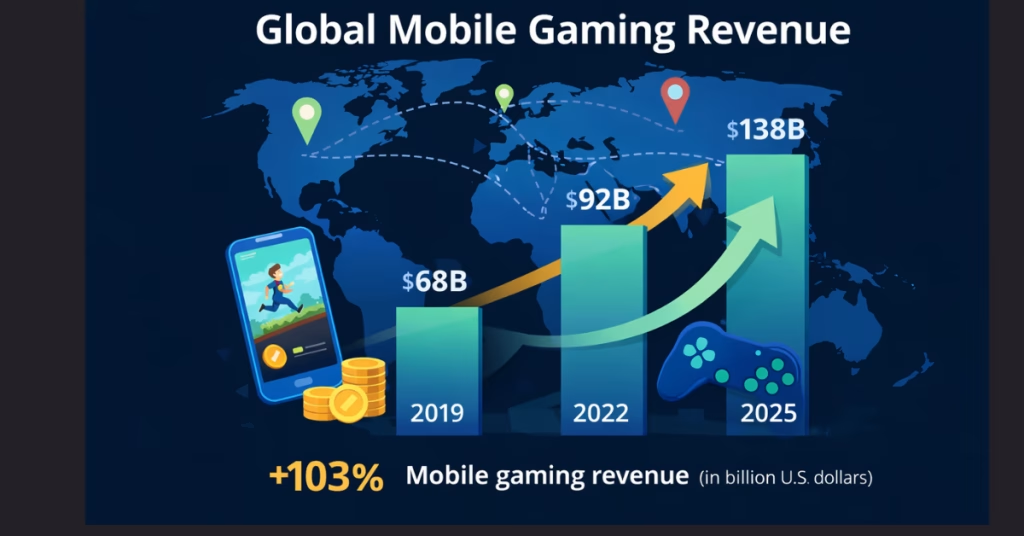
Understanding the economics explains why Epic fought this battle. Mobile gaming remains one of the largest parts of the games market. Platform fees take a massive cut:
| Platform | Standard fee | Small developer program | Alternative payment allowed |
| Google Play (pre-ruling) | 30% | 15% (first $1M) | No |
| Google Play (post-ruling) | 30% | 15% (first $1M) | Yes |
| Apple App Store | 30% | 15% (first $1M) | Limited (some regions) |
| Epic Games Store | 12% | 12% | N/A (own platform) |
When a player spends $100 on V-Bucks in Fortnite through Google Play the split looked like this before:
• Google: $30
• Epic: $70
With alternative payments Epic can reduce the share lost to platform fees:
• Payment processor: variable fee
• Epic: larger remaining share
That difference matters at Fortnite’s scale.
4. What Fortnite players actually gain
Epic promotes 20% back in Epic Rewards when players use Epic’s own payment system in supported checkout flows. That savings matters for players who spend regularly on cosmetics and battle passes.
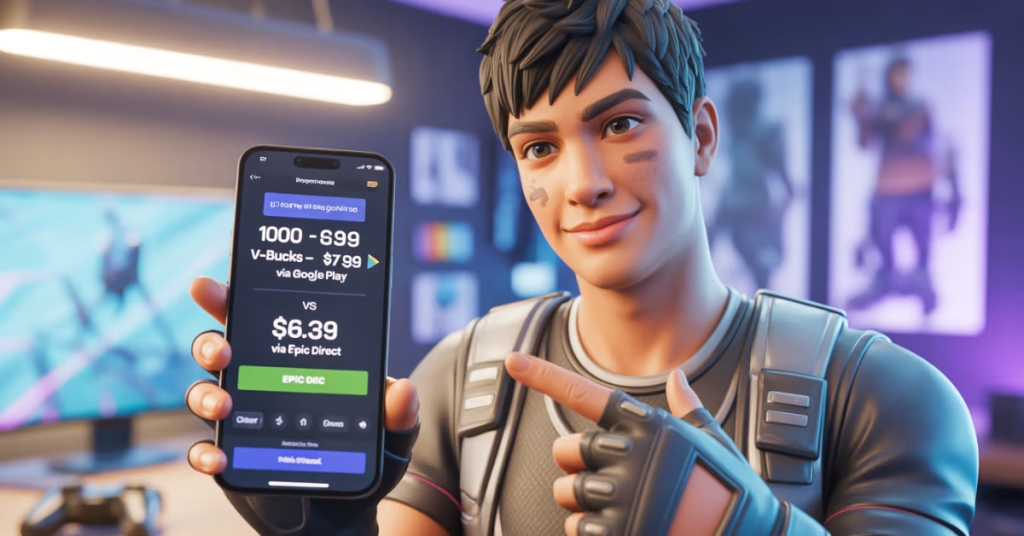
The downside is managing multiple payment methods and potentially dealing with less streamlined refund processes. Google Play’s refund system integrates with Android’s OS-level features. Third-party payment systems require contacting Epic support directly.
5. How developers are responding
The ruling opened opportunities for indie and mid-size mobile developers. Studios that make $2-10 million annually from mobile games can now keep significantly more revenue by implementing alternative payment options.
Google’s developer policy update confirms that eligible developers serving U.S. users can use alternative billing and external content links while the injunction rules are in effect. Adoption will still depend on each studio’s costs, audience, and support needs.
Not every developer benefits equally. Small indies making under $500k per year often rely on Google Play’s infrastructure for payment processing, fraud prevention and customer service. Building those systems independently costs time and money. The savings on fees might not offset the operational complexity.
6. The broader distribution shift
Fortnite returning to Google Play represents a larger trend toward platform openness. The EU’s Digital Markets Act has already pushed platform openness in European markets, while Google’s U.S. policy changes are tied to the Epic litigation. Similar regulations are under discussion in the US and other regions.
Microsoft has discussed an Xbox mobile store that would compete with Google Play and the App Store. Regulatory changes could make that kind of mobile distribution strategy more viable.
This fragmentation creates tension. Players benefit from competition and lower prices. But managing apps across multiple stores adds friction. Nobody wants five different launcher apps just to play games on their phone.
7. The PC gaming parallel
Desktop PC gaming already solved this problem in messy ways. You need Steam for most games, Epic Games Store for exclusives, Battle.net for Blizzard titles, EA app for Electronic Arts games and so on. It’s annoying but players adapted because each platform offers enough value to justify the hassle.
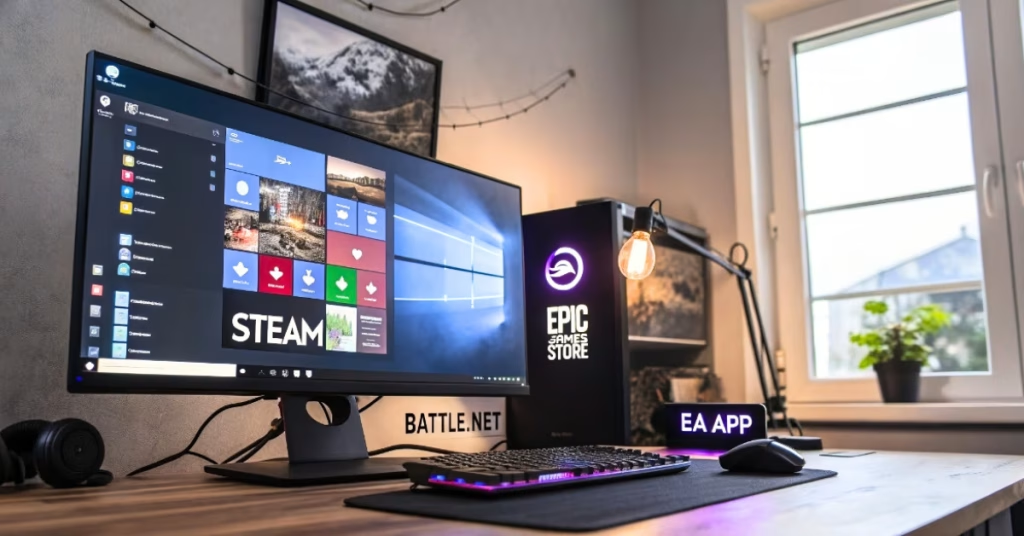
Mobile gaming is heading toward the same fragmented ecosystem. Whether that’s good or bad depends on your priorities. Lower prices and more developer freedom compete with convenience and unified experiences.
8. Looking ahead after Fortnite returns to Google Play
Google’s July 2026 policy update signals a shift toward opening Android distribution and payments in the United States, though implementation details continue to evolve by region. Apple faces similar pressure though its ecosystem remains more locked down.
For players this means more chances to see discount offers from developers who implement direct payment options. For developers it means calculating whether building alternative payment infrastructure makes financial sense for their specific situation.
The Fortnite Google Play return signals that major publishers have leverage to challenge platform policies. Smaller developers still depend heavily on platform infrastructure even with new payment options available.

9. Making sense of the changes
Mobile gaming’s distribution model is evolving from controlled ecosystems toward something resembling PC’s fragmented marketplace. That creates opportunities and complications simultaneously.
Mobile players can expect more payment options and potentially better deals. Developers have to evaluate whether alternative payments fit their business model and technical capabilities.
The Fortnite Google Play saga proved that challenging platform monopolies can work but requires massive resources and years of legal battles. What Epic accomplished won’t be replicated easily by smaller companies even though they benefit from the precedent.
Understanding how hardware choices interact with platform ecosystems matters more than ever so comparing PC handheld options like SteamOS versus Windows shows similar tradeoffs between convenience and flexibility across gaming platforms.